Category: AI

  • OpenArt Sketch to Video Test

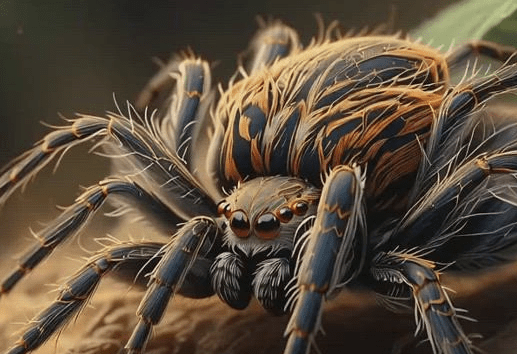
    screenshot of AI created spider
    screenshot of AI created spider

    The merging of modern AI technology and 3D modeling holds much potential. Nimble designers are combing advanced 3D rendering programs, with direct chatGPT prompts, with varied results. While there a still some work that needs to be done, the potential of integrating current AI capabilities with 3D rendering applications.

    How good is AI sketch to video?

    While some traditional artists may be hesitant to use AI tools in their workflow, it is clear that modern image conversion tools have made huge strides.

    Below is a breakdown of the general creative process used for this test.

    1. Initial Concept
    2. Preliminary artwork
    3. Import into OpenArt
    4. Reiterate re-render as needed

    Initial Concept

    • The initial concept was to create a hairy spider, similar to a wolf spider
    • The spider would have realistic features, with some subtle exaggerations

    Preliminary Artwork

    • A hand drawn sketch of the spider
    • Form, texture, and color are added
    • Enough information is given to provide guidance for the final product

    Import into OpenArt

    • Import the image into OpenArt
    • Use the sketch to image feature
    • render and re-render image as needed
    • adjust prompts and creativity settings
    • Additional images may be used to add to the scene or provide style guidance
  • Sketch to Image Test Continued

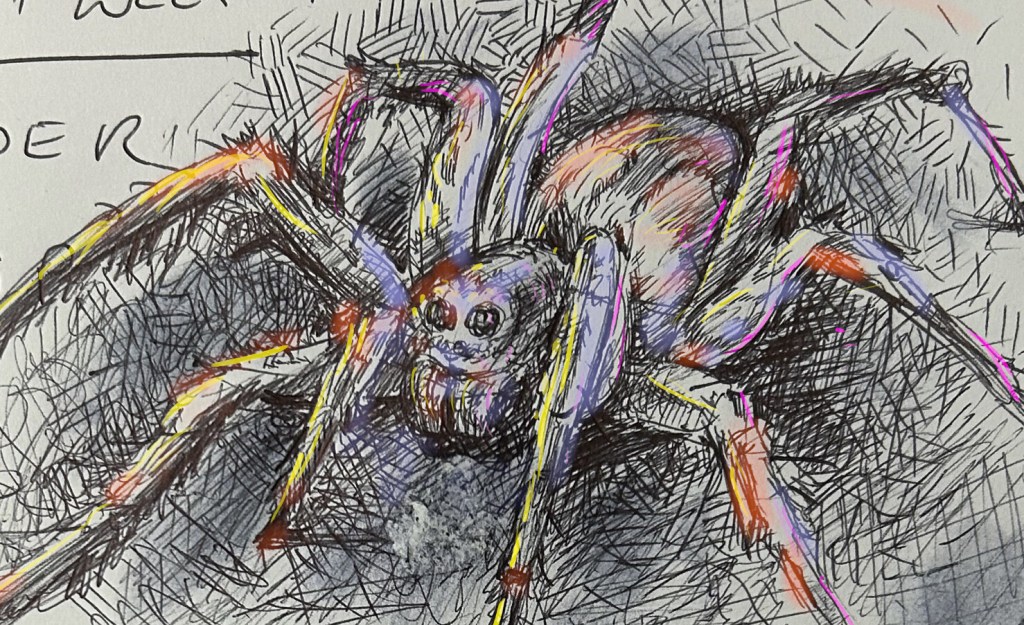
    I had so much fun taking my old drawings and bringing them back to life, I just needed to post again. For this rendering I used an incomplete pen drawing I found in an old sketch book. I used this image for the initial prompt, with some add prompts, such as “biomechanical”.

    How good is AI sketch to image?

    While some traditional artists may be hesitant to use AI tools in their workflow, it is clear that modern image conversion tools have made huge strides.

    I used the OpenArt platform and experimented with different drawings. Some were incomplete, such as the example of the cowboy below. I was impressed with the initial results, however there are some obvious issues. In the rendered example, I have made no additional prompts or edits, and while there are numerous areas that need “tweaking”, this could be easily accomplished with additional iterations or in one’s favorite digital editing software.

    Take away for traditional artists

    Are you an artist who looks down on the onslaught AI slop content, and feels it would lesson your work? Well, first off, settle down tiger. I would challenge yourself to think how some of these new tools could be implemented into your workflow, without altering the creative intent.

    In conclusion, while some may be weary of implementing AI tools into their creative process, it is clear that AI can be leveraged and remain true to one’s original creative intent.

    Hand drawn sketch of a cowboy on a wooden tree stump
    Hand drawn sketch of a cowboy on a wooden tree stump
    Final AI Rendering of a cowboy on a wooden tree stump
    Final AI Rendering of a cowboy on a wooden tree stump